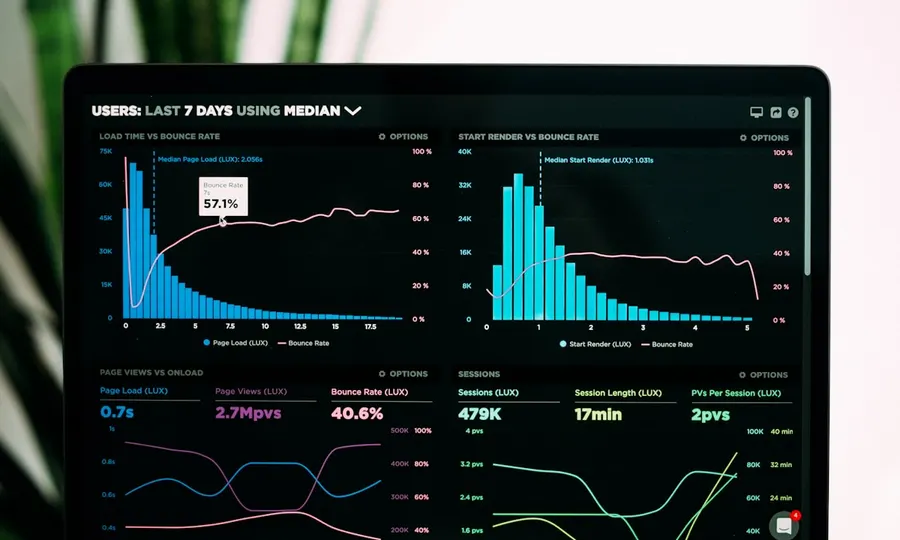
 تحليل استبيانات باستخدام SPSS
ترميز إجابات الاستبيان، فحص القيم المفقودة، إعداد أسماء المتغيرات، مراجعة مستويات القياس، وتنفيذ تحليل استبيان منظم قبل كتابة النتائج.
 NexStatLab
يقدم NexStatLab خدمات تحليل احصائي وتحليل بيانات باستخدام SPSS للباحثين وطلاب الدراسات العليا، بما يشمل تحليل استبيان، تحليل رسائل، تحليل ماجستير، الاختبارات الإحصائية، تفسير النتائج الأكاديمية، وتجهيز الجداول والرسوم البيانية بدقة واحترافية.

هذه الصفحة مخصصة للعملاء الذين يحتاجون إلى تحليل إحصائي باستخدام SPSS بشكل واضح ومباشر. يمكنك إرسال ملف البيانات والاستبيان وأهداف البحث والفرضيات وتعليمات الجامعة. نراجع بنية البيانات ونختار الاختبارات المناسبة ونجهز التحليل ثم نشرح النتائج بلغة أكاديمية مفهومة.
تحليل استبيانات باستخدام SPSS
ترميز إجابات الاستبيان، فحص القيم المفقودة، إعداد أسماء المتغيرات، مراجعة مستويات القياس، وتنفيذ تحليل استبيان منظم قبل كتابة النتائج.
 تحليل رسائل ماجستير ودكتوراه
تحليل رسائل أكاديمية وبحوث علمية تشمل الإحصاء الوصفي، اختبار الفرضيات، الارتباط، الانحدار، وتنظيم جداول النتائج بما يناسب متطلبات الجامعة.
 تحليل بيانات وتفسير النتائج
تحليل بيانات البحث باستخدام SPSS مع رسوم بيانية واضحة وملخصات مرئية وتفسير مكتوب يشرح معنى النتائج بالنسبة لسؤال البحث.
نقدم خدمة تحليل الاستبيانات للطلاب والباحثين من مرحلة تجهيز ملف البيانات وحتى تفسير النتائج. يشمل ذلك ترميز الإجابات، مراجعة المحاور، حساب درجات المقاييس، تحليل الثبات، الإحصاء الوصفي، واختيار الاختبارات المناسبة حسب نوع السؤال البحثي.
إذا كنت تحتاج إلى تحليل رسائل أو تحليل ماجستير أو دعم إحصائي لرسالة دكتوراه، نساعدك في تحويل البيانات إلى جداول منظمة ونتائج واضحة. يتم ربط الاختبارات الإحصائية بالفرضيات والمنهجية حتى تكون المخرجات مناسبة للكتابة الأكاديمية والمناقشة.
تشمل الخدمة تحليل بحوث علمية، مشاريع تخرج، أبحاث طبية، ودراسات قائمة على الاستبيانات أو البيانات الرقمية. نركز على اختيار أسلوب تحليل احصائي مناسب، وتنظيم النتائج، وشرح الدلالات الإحصائية بلغة واضحة.
نختار الاختبار الإحصائي المناسب بناء على أهداف البحث، نوع المتغيرات، حجم العينة، ومستوى القياس، ثم نشرح النتائج بطريقة تساعدك على فهم القرار الإحصائي.
لمقارنة المتوسطات بين مجموعتين أو مقارنة القياس قبل وبعد.
لتحليل الفروق بين أكثر من مجموعتين مع توضيح النتائج الدالة.
لتحليل تأثير المتغيرات المستقلة وتفسير نموذج الانحدار.
لقياس قوة واتجاه العلاقة بين المتغيرات.
لاختبار العلاقة بين المتغيرات الاسمية والجداول المتقاطعة.
لفحص ثبات الاستبيان والمقاييس البحثية.
Wilcoxon وMann-Whitney U وFriedman وKruskal-Wallis عند عدم توافر شروط الاختبارات المعلمية، أو حجم العينة صغير (N<30)، أو عندما تشترط الجامعة اختبارات لا معلمية بدلاً من المعلمية.
نوع البيانات يحدد الاختبار الإحصائي المناسب. نراجع مستوى القياس لكل متغير ونختار الأسلوب الأمثل بدقة ومنهجية.
يُعامَل كمتغير رتبي أو مستمر حسب التوزيع. نُجري اختبارات الاعتدالية ونبرر الأسلوب المستخدم، وهو أمر مهم في الدراسات التي تخضع للتحكيم الأكاديمي.
مقارنات مزدوجة باستخدام اختبار T المزدوج، أو Wilcoxon، أو تحليل التباين للقياسات المتكررة، حسب الاعتدالية وعدد نقاط القياس.
قياس الفروق والعلاقات بين الفئات باستخدام كاي سكوير، أو Mann-Whitney U، أو Kruskal-Wallis، مع جداول التكرارات والجداول المتقاطعة.
متوسطات وانحرافات معيارية وتحليل تباين وانحدار وارتباط بيرسون، مع تنسيق APA كامل جاهز للإدراج في فصل النتائج.
هذا نموذج لجدول إحصاء وصفي بتنسيق APA كامل — هذا هو نوع الجداول التي تستلمها جاهزة للإدراج في فصل النتائج.
جدول 1. الإحصاء الوصفي حسب المجموعة
| المتغير | N | M | SD | الدلالة |
|---|---|---|---|---|
| المجموعة التجريبية | 45 | 4.21 | 0.58 | .032* |
| المجموعة الضابطة | 43 | 3.74 | 0.71 | .032* |
| الكلي | 88 | 3.98 | 0.66 | — |
ملاحظة. M = المتوسط؛ SD = الانحراف المعياري. *p < .05
تختلف المدة حسب حجم البيانات وعدد الاختبارات المطلوبة، لكن يتم توضيح المدة المتوقعة عبر واتساب بعد مراجعة ملف البيانات ومتطلبات البحث.
نعم، يمكن تقديم تفسير علمي للنتائج يوضح معنى الجداول والقيم الإحصائية والدلالة وعلاقة النتائج بفرضيات البحث.
نعم، يمكن تحليل الاستبيان باستخدام SPSS بعد مراجعة الأسئلة والمحاور وطريقة الترميز ومستوى القياس.
نعم، نقدم تحليل رسائل ماجستير ودكتوراه وبحوث علمية مع تنظيم الجداول والرسوم وشرح النتائج بما يناسب المتطلبات الأكاديمية.
أرسل تفاصيل مشروعك عبر واتساب لتحصل على توجيه حول التحليل المناسب والملفات المطلوبة والمدة المتوقعة والمخرجات.